When you mention you are following a vegan lifestyle, someone inevitably asks: “But what about your bones?” It’s one of those questions that can make even the most confident plant-based eater pause. And here is the thing, unlike many dietary myths, the concern about calcium and bone health on a vegan diet actually deserves thoughtful attention.
The good news? You absolutely can build and maintain strong bones on a plant-based diet. The key is understanding what your bones need, where to find those nutrients in plant foods, and how to optimize your body’s ability to use them effectively. Let’s break down everything you need to know about calcium and bone health while thriving on a vegan lifestyle.
Understanding Bone Health Beyond Calcium
When most people think about bone health, they immediately think “calcium equals strong bones.” While calcium is certainly crucial, bone health involves a complex interplay of nutrients and lifestyle factors. Your bones are living tissue that constantly remodel themselves, breaking down old bone and building new bone throughout your life.
Think of your bones as a savings account. During your younger years, you make more deposits than withdrawals. Around your mid-30s to mid-40s, this process starts to reverse. For women especially, bone loss accelerates during and after menopause when estrogen levels decline, since estrogen helps protect bones and aids calcium absorption.
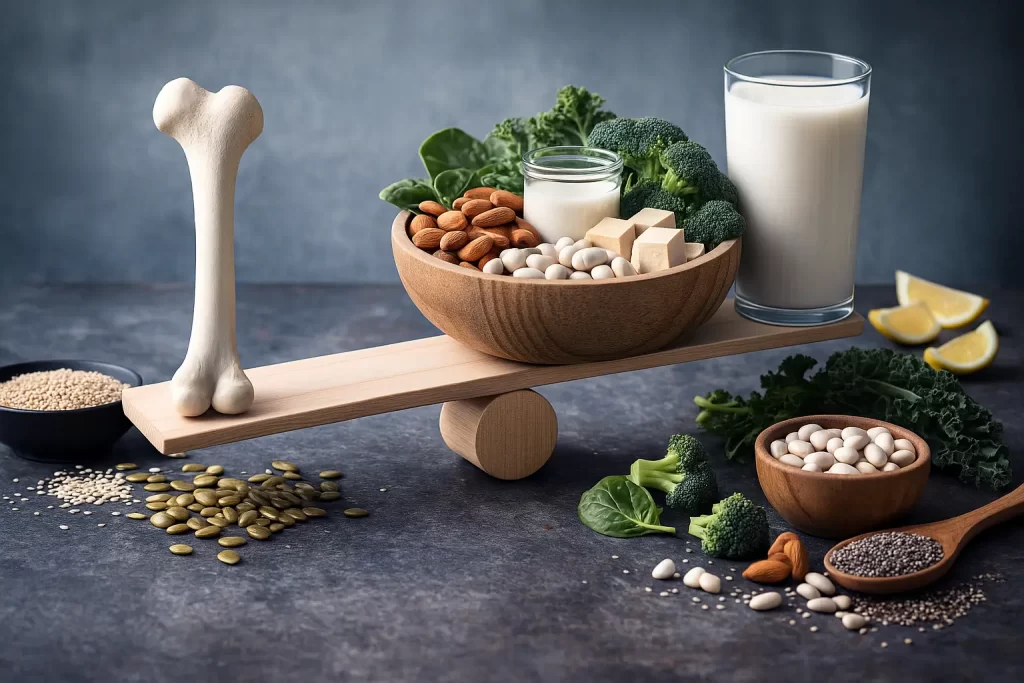
Your bones need more than just calcium — they require vitamin D, vitamin K, magnesium, potassium, protein, and various other nutrients working together. This is actually good news for vegans, because plant-based diets are naturally rich in many of these bone-supporting nutrients.
How Much Calcium Do You Actually Need?
The calcium requirements for adults are straightforward: adults need 700mg of calcium daily, with women over 51 and men over 70 requiring 1,200mg. During pregnancy and breastfeeding, needs stay the same as your age group, but it’s especially important to meet these targets.
Here’s something many people don’t realize: calcium absorption varies significantly depending on the source and what else you’re eating. Your body doesn’t absorb 100% of the calcium in any food — absorption rates can range from as low as 5% to over 50% depending on the source and circumstances.
The Best Plant-Based Calcium Sources
Fortified Foods — Your Calcium Powerhouses
Fortified plant milks and yogurts, calcium-set tofu, and fortified breakfast cereals are among the best calcium sources for vegans. One glass of fortified plant milk typically provides around 300mg of calcium — that’s about 40% of your daily needs in a single serving.
When shopping for plant-based alternatives, always check the nutrition label. Not all plant milks are fortified equally, and some aren’t fortified at all. Look for products that provide at least 300mg of calcium per cup. The same goes for tofu — check the ingredients list for “calcium sulfate” or “calcium chloride,” which indicates the tofu is calcium-set and contains significantly more calcium than other varieties.
Leafy Greens — Nature’s Calcium Source
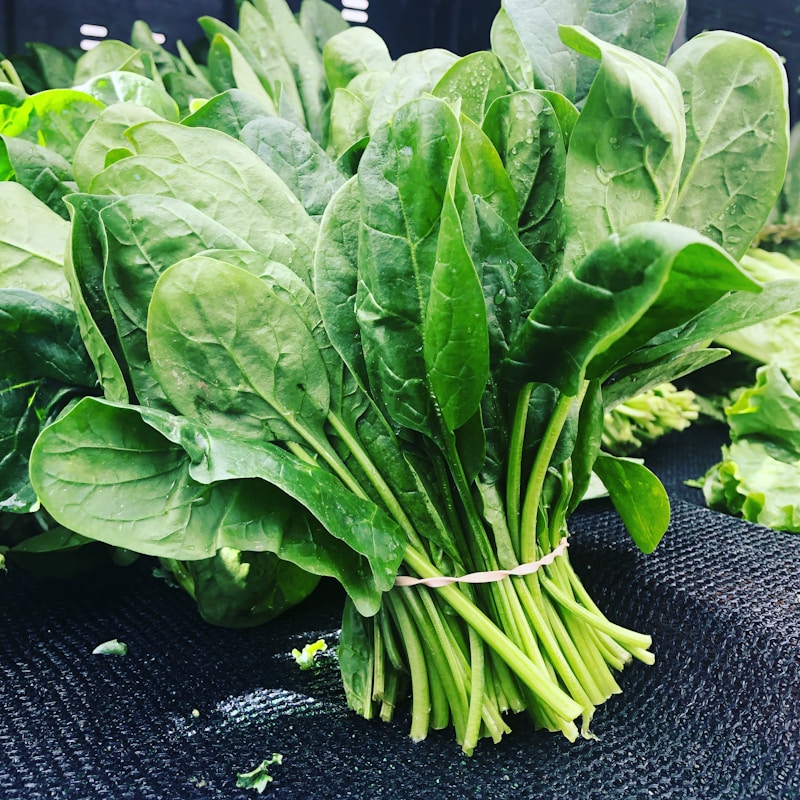
Dark leafy greens deserve special attention because they’re calcium superstars with an interesting twist. Greens like kale, bok choy, and mustard greens are low in oxalates and provide highly absorbable calcium. In fact, the calcium from these greens may be absorbed even better than calcium from dairy products.
However, not all greens are created equal for calcium. While spinach and Swiss chard are nutritious, they contain high levels of oxalates that can bind to calcium and reduce its absorption. This doesn’t mean you should avoid these greens entirely — they offer many other valuable nutrients. Just don’t rely on them as your primary calcium sources.
Some excellent low-oxalate greens include:
- Kale — One cup cooked provides about 94mg of well-absorbed calcium
- Bok choy — One cup cooked contains approximately 158mg
- Collard greens — One cup cooked offers around 268mg
- Broccoli — One cup cooked provides about 62mg
- Mustard greens — One cup cooked contains roughly 165mg
Other Valuable Plant Sources
Don’t overlook these additional calcium-rich options:
- Almonds and almond butter — 1/4 cup of almonds provides about 96mg
- Sesame seeds and tahini — 2 tablespoons of tahini contains around 128mg
- Tempeh — A fermented soy product with good calcium content
- Fortified orange juice — When fortified, provides comparable calcium to plant milk
- Dried figs — A sweet treat with approximately 121mg per half cup
- White beans — One cup cooked provides about 161mg
Looking for quality vegan calcium supplements and calcium-rich foods? Visit our deals page for the latest offers on fortified foods and supplements.
The Calcium Absorption Factor: Maximizing What You Eat
Understanding Anti-Nutrients
You’ve probably heard about “anti-nutrients” like oxalates and phytates that can interfere with calcium absorption. While this sounds alarming, the reality is far less dramatic than some sources suggest.
Oxalates in green leafy vegetables and phytates in whole grains and legumes can bind to calcium and reduce its absorption. However, this doesn’t mean you need to avoid these nutritious foods. Instead, be strategic about your choices and food preparation methods.
Here are practical ways to reduce anti-nutrients and enhance calcium absorption:
- Cook your greens: Cooking high-oxalate vegetables can reduce their oxalate content
- Soak and sprout: Soaking nuts, seeds, grains, and legumes for 8-12 hours reduces phytates
- Fermentation: Fermented foods like tempeh and sourdough have lower phytate levels
- Variety is key: Include both high and low-oxalate foods in your diet
- Strategic pairing: Eat calcium-rich foods separately from very high-oxalate foods when possible
Vitamin D: Calcium’s Essential Partner
Vitamin D is directly involved in building strong bones because it helps your body absorb calcium. No matter how much calcium you consume, without adequate vitamin D, your body can’t use it effectively.
The challenge for vegans is that vitamin D is scarce in plant foods, and many people don’t get enough from sunlight alone, especially during winter months. Your skin produces vitamin D when exposed to sunlight, but factors like your geographic location, skin pigmentation, age, and sunscreen use all affect production.
For most vegans, supplementation is the most reliable approach. The general recommendation is 10 micrograms (400 IU) daily, though those at risk for osteoporosis may need 20 micrograms (800 IU) or more. Look for vegan vitamin D3 (often derived from lichen) or vitamin D2, and consider higher doses during winter months.

Beyond Diet: The Critical Role of Exercise
Here’s a truth that often gets overlooked: research shows that vegans who engage in resistance training have bone structures similar to omnivores, with resistance training helping to offset any potential differences in bone density.
Your bones respond to the physical demands you place on them. Weight-bearing exercise creates forces that signal your bones to grow stronger and more dense. Think of it as your bones adapting to the stress you put on them — use them or lose them.
The Best Exercises for Bone Health
Weight-Bearing Cardio: Activities where you’re supporting your body weight against gravity are excellent for bones. This includes walking, jogging, hiking, dancing, tennis, and climbing stairs. Even moderate-intensity activities like brisk walking can benefit bone health when done regularly.
Resistance Training: Strength training has shown impressive results for bone health, with one study finding postmenopausal women gained an average of 11% bone mineral density in the hip after three years of consistent training. You don’t need heavy weights to see benefits — even light dumbbells or resistance bands can stimulate bone growth.
High-Impact Activities: Jumping, running, and other high-impact exercises create stronger signals for bone building. However, if you already have low bone density or other concerns, consult your healthcare provider before starting high-impact activities.
Balance and Flexibility Work: Yoga, Tai Chi, and balance exercises don’t directly build bone density, but they reduce fall risk — crucial for preventing fractures. These practices also improve body awareness and coordination.
Aim for at least 30 minutes of weight-bearing activity most days of the week, plus resistance training 2-3 times weekly. The key is consistency over intensity.
Other Nutrients That Support Bone Health
Protein: Building Blocks for Bones
There’s an outdated myth that protein harms bones, but research shows that higher protein intake actually protects bones, with studies finding increased bone building and improved calcium absorption with adequate protein consumption. In fact, approximately one-third of your bone mass is protein.
The good news is that plant-based diets can easily provide enough protein. Focus on including protein-rich foods at each meal: legumes, tofu, tempeh, seitan, whole grains, nuts, and seeds. Studies have found that consuming meat alternatives and legumes daily is associated with reduced hip fracture risk in vegetarians.
Vitamin K: The Bone Builder
Vitamin K plays crucial roles in building bone density and is conveniently found in the same calcium-rich foods like dark leafy greens, beans, and soy products. This vitamin helps activate proteins involved in bone formation and calcium regulation.
Magnesium and Potassium
These minerals work behind the scenes to support bone health. Potassium decreases calcium loss and increases the rate of bone building, while magnesium is involved in converting vitamin D to its active form. Fortunately, both are abundant in plant-based diets through fruits, vegetables, whole grains, legumes, and nuts.
Vitamin B12: An Unexpected Player
Research suggests that vitamin B12 deficiency may negatively affect bone density. Since B12 isn’t reliably found in plant foods, all vegans should take a B12 supplement regardless of bone health concerns. It’s essential for overall health, including your skeletal system.
What the Research Actually Shows About Vegan Diets and Bones
Let’s address the elephant in the room: some studies have found that vegans have higher fracture rates than omnivores. However, the full picture is more nuanced and ultimately reassuring.
Research from the EPIC-Oxford study found that when vegans consumed at least 525mg of calcium daily, they had the same fracture rates as other diet groups. Another study found that when both calcium and vitamin D supplementation were adequate, female vegans no longer had higher hip fracture risk.
A comprehensive review concluded that vegan diets are not associated with increased fracture risk when calcium intake is adequate. The key phrase here is “when calcium intake is adequate.”
More recent research has shown that vegans following healthful, well-planned diets with regular consumption of whole grains, fresh fruits and vegetables, nuts, and legumes did not have lower bone density or increased fracture risk compared to vegetarians or omnivores.
The takeaway? A well-planned vegan diet that meets calcium, vitamin D, and protein needs — combined with regular exercise — supports strong, healthy bones just as effectively as any other dietary pattern.

Should You Take Calcium Supplements?
The best approach is to meet your calcium needs through food whenever possible, as calcium from foods is more effectively used by bones because it comes packaged with other important nutrients that work together.
That said, supplements can be helpful if you’re struggling to meet your needs through diet alone. If adequate calcium intake isn’t possible through food, supplements of 500-600mg daily are considered safe and effective.
If you decide to supplement, keep these guidelines in mind:
- Choose the right form: Calcium citrate is well-absorbed with or without food, while calcium carbonate should be taken with meals
- Divide your doses: Your body absorbs calcium best in doses of 500mg or less at a time
- Don’t exceed needs: Very high calcium intake (above 2,000mg daily) can increase kidney stone risk
- Timing matters: Take calcium supplements at least two hours apart from iron supplements, as they compete for absorption
- Pair with vitamin D: Many calcium supplements include vitamin D for better absorption
For high-quality vegan supplements at great prices, check out our curated selection at Vegan For Her.
Lifestyle Factors That Affect Bone Health
Things to Minimize
Excessive Sodium: High salt intake may cause you to lose more calcium through urine. Aim for no more than 6 grams (about one teaspoon) of salt daily, and be aware that processed foods often contain hidden sodium.
Caffeine: A high-caffeine diet increases the amount of calcium lost in urine. This doesn’t mean you need to eliminate coffee and tea entirely, but try to limit yourself to no more than three cups daily.
Alcohol: Heavy alcohol consumption significantly increases osteoporosis and fracture risk. Moderation is key for bone health.
Smoking: If you smoke, quitting is one of the best things you can do for your bones (and overall health).
Things to Embrace
Maintain a Healthy Weight: Body mass index (BMI) significantly influences fracture risk, with a BMI less than 22.5 associated with increased risk. Being significantly underweight can compromise bone health, so ensure you’re eating enough calories and nutrients to maintain a healthy weight.
Sunlight Exposure: Spend time outdoors when possible to support vitamin D production. Even 10-15 minutes of sun exposure on your arms and face several times a week can help (while being mindful of skin cancer risk).
Stress Management: Stress hormones can negatively affect bones, so incorporating relaxation practices like meditation, yoga, or deep breathing can benefit your skeletal system.
Quality Sleep: Adequate sleep helps with recovery and gives muscles and bones a chance to repair. Aim for 7-9 hours nightly.
Creating Your Bone-Healthy Vegan Meal Plan
Meeting your calcium needs doesn’t have to be complicated. Here’s a sample day that provides over 1,000mg of calcium:
Breakfast: Oatmeal made with fortified plant milk (300mg), topped with 2 tablespoons of tahini (128mg) and sliced figs (60mg)
Lunch: Large salad with kale (94mg per cup cooked) or collard greens (268mg per cup cooked), chickpeas, and 100g calcium-set tofu (200mg)
Snack: 1/4 cup almonds (96mg) with fortified plant yogurt (150mg)
Dinner: Stir-fry with bok choy (158mg per cup cooked), broccoli (62mg per cup cooked), and tempeh
Evening: Glass of fortified plant milk (300mg) or calcium-fortified orange juice
This sample day provides approximately 1,816mg of calcium — well above the recommended intake. The key is incorporating calcium-rich foods throughout the day rather than trying to get it all in one meal.
Special Considerations for Women
Menstruation and Iron
If you experience heavy periods, you’re at higher risk for iron deficiency, which research suggests may affect bone metabolism through its role in collagen synthesis and vitamin D functions. Monitor both calcium and iron intake, and consider having your levels checked regularly.
Pregnancy and Breastfeeding
While calcium requirements don’t increase during pregnancy and breastfeeding, meeting them becomes even more critical. Your body will draw calcium from your bones if dietary intake is insufficient. Work closely with your healthcare provider to ensure adequate intake of calcium, vitamin D, B12, and other essential nutrients.
Menopause
The hormonal changes during menopause accelerate bone loss, making this a critical time to focus on bone health. While there are no specific additional calcium or vitamin D recommendations for menopause, maintaining a healthy balanced diet with adequate calcium, summer sunlight, and vitamin D supplements helps slow bone loss. Resistance training becomes especially important during this life stage.
Monitoring Your Bone Health
If you’ve been vegan for several years, or if you have risk factors for osteoporosis (family history, small frame, previous fractures), consider discussing bone density testing with your healthcare provider. A DEXA scan can measure your bone mineral density and help identify any concerns early.
You might also want to have your vitamin D levels checked, especially if you live in a northern climate or don’t spend much time outdoors. A simple blood test can determine if your supplementation is adequate.
Warning signs that warrant medical attention include:
- Unexpected bone or joint pain
- Loss of height
- Developing a stooped posture
- Fractures from minor falls or accidents
The Bottom Line: Vegan Bones Can Be Strong Bones
The evidence is clear: with proper planning and attention to key nutrients, a vegan diet can absolutely support strong, healthy bones throughout your life. The keys to success are:
- Prioritize calcium-rich foods daily: Include fortified plant milks, calcium-set tofu, and low-oxalate leafy greens
- Ensure adequate vitamin D: Through supplements, fortified foods, and sensible sun exposure
- Eat sufficient protein: Include legumes, soy products, and other plant proteins at each meal
- Exercise regularly: Combine weight-bearing cardio with resistance training
- Maintain a healthy weight: Neither too high nor too low
- Support your diet with B12: Essential for overall health including bones
- Limit bone-harming factors: Excessive salt, caffeine, and alcohol
Remember that bone health is a lifelong journey, not a quick fix. The habits you establish today — whether you’re in your twenties building peak bone mass or in your fifties maintaining what’s there — will benefit you for decades to come.
Don’t let concerns about calcium hold you back from the many benefits of plant-based eating. With the right knowledge and approach, you can thrive on a vegan diet while maintaining strong, resilient bones well into your later years.
Disclaimer: This article is for informational purposes only and should not replace professional medical advice. Always consult with a qualified healthcare provider before making significant dietary changes or starting new supplement regimens, especially if you have existing health conditions, are pregnant, breastfeeding, or have concerns about bone health.
References:
- National Institutes of Health — Office of Dietary Supplements: Calcium Fact Sheet for Health Professionals
- National Health Service (NHS): Food for Healthy Bones
- Vegan Health: Calcium and Bone Health Resources
- The Vegan Society: Calcium and Bone Health Guidelines
- Royal Osteoporosis Society: Nutrition for Bones
- Academy of Nutrition and Dietetics: Position on Vegetarian Diets
- EPIC-Oxford Study: Plant-based Diets and Long-term Health